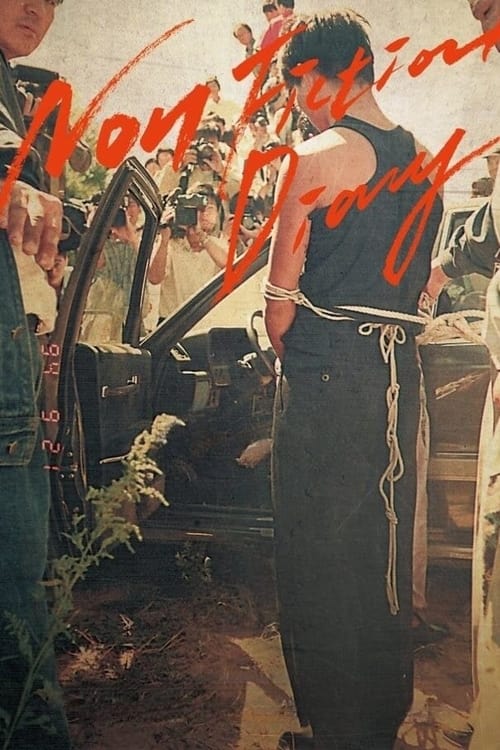
Non Fiction Diary
What happened in Korean society in the 1990s? The film starts with the Jijon-pa (Supreme Gangsters) case. The shocking story is narrated through the discussion by the two detectives who arrested the gangsters, of details of the roundup, data screens, and the death sentence. Nevertheless, Nonfiction Diary’s focus is not on the crime story. Starting from Jijon-pa onwards, the film reflects on the 1990s, when Korea digressed into contemporary history. The Seongsu Bridge and the Sampoong Department Store’s collapses are recalled, followed by the then-government’s punishment of the May 18 Uprising leaders, revealing the Korean legal system’s death penalty status, touching on political and power issues. The audience is reminded that today, 2013, is an extension of that same flow.
You May Also Like

CNA Insider: Is Seoul To…

Our Aotearoa
Shadow Flowers
TXT (TOMORROW X TOGETHER…
The Truth Shall Not Sink…
Mis-President
Seven Years-Journalism w…
Island Being

Several Successful Situa…
The Last of the Sea Wome…
Quo Vadis
Open Shutters

K-Pop La déferlante coré…
Becoming Kim
K-Hip-Hop, l'onde de cho…

This Is the President
Two Doors
Reach for the SKY
Smiling Jockey